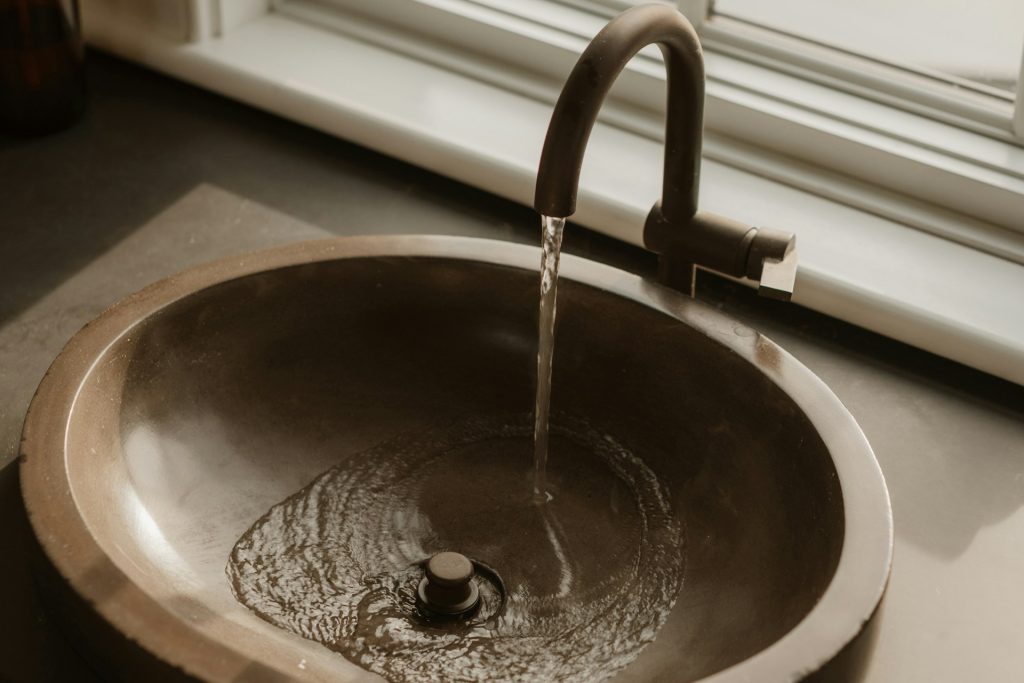

Maintaining a clean and functional drainage system is an essential aspect of home and business upkeep. Clogged drains are more than just a minor inconvenience—they can lead to unpleasant odors, slow water flow, and, in severe cases, costly water damage. Many property owners underestimate the importance of routine maintenance, often waiting until a blockage becomes severe before taking action. However, regular drain cleaning can prevent many common plumbing issues, saving time, stress, and money in the long run.
Water flow problems are not always obvious until they escalate. Hair, soap residue, grease, and other debris gradually accumulate inside pipes, reducing their efficiency. For commercial properties, especially restaurants, hotels, or office buildings, slow drains can disrupt daily operations and even pose hygiene concerns. Residential properties face similar risks; unnoticed buildup can cause leaks, sewer backups, or damage to flooring and cabinetry. Understanding the optimal frequency for drain cleaning is key to avoiding these headaches.
While some may think that drain issues are a minor nuisance that can be dealt with on an as-needed basis, proactive maintenance offers peace of mind and a healthier environment. Drain cleaning is not only about removing blockages—it also enhances the longevity of plumbing systems, improves water flow, and minimizes the risk of costly repairs. Knowing when and how often to schedule drain cleaning ensures that your home or business stays safe, sanitary, and fully functional.
Factors That Influence How Often You Need Drain Cleaning
Several elements determine how frequently you should schedule drain cleaning. The type of property, usage patterns, and the materials used in your plumbing all play a role in how quickly debris accumulates. Homes with multiple residents or busy kitchens often experience faster buildup, while older plumbing systems may require more frequent attention. Commercial establishments with heavy daily use will naturally need professional maintenance more regularly.
Seasonal changes and water quality can also impact drainage efficiency. Hard water contributes to mineral deposits that can restrict flow, while environmental factors such as rainfall or tree roots can introduce additional challenges. Recognizing these factors helps property owners plan a drain cleaning schedule that aligns with their unique circumstances.
Signs Your Drains Require Immediate Attention
Even with regular maintenance, certain warning signs indicate that a drain cleaning is urgently needed. Some of the most common indicators include:
-
Slow drainage in sinks, bathtubs, or showers
-
Foul odors emanating from drains
-
Gurgling sounds or bubbling in toilets and drains
-
Frequent backups in kitchens or bathrooms
-
Water pooling around drains or in basements
Ignoring these signs can lead to severe plumbing emergencies. Early intervention often reduces repair costs and prevents disruptions to daily routines, making timely drain cleaning a wise investment.
Recommended Drain Cleaning Frequency
Industry professionals generally advise the following guidelines for drain cleaning, though individual circumstances may vary:
-
Residential homes with average usage: every 12 to 18 months
-
Homes with high usage or older plumbing: every 6 to 12 months
-
Commercial properties with heavy daily activity: every 3 to 6 months
Implementing a regular schedule ensures that minor issues are addressed before they escalate. For businesses, maintaining an active maintenance log and scheduling routine drain cleaning can also demonstrate compliance with health and safety standards, particularly in foodservice and hospitality environments.
Benefits of Regular Drain Cleaning
Keeping drains clean extends beyond preventing clogs. Some of the primary advantages include:
-
Enhanced water flow and plumbing efficiency
-
Reduced risk of leaks, backups, and water damage
-
Elimination of unpleasant odors
-
Longer lifespan for pipes and plumbing fixtures
-
Minimization of emergency repair costs
Professional drain cleaning uses specialized tools and techniques, including high-pressure water jetting and mechanical augers, to remove debris completely. While DIY solutions can handle minor clogs, they often fail to address deep-seated buildup, which may continue to accumulate over time.
Tips for Maintaining Clean Drains Between Professional Visits
Maintaining healthy drains between professional cleanings can further reduce the risk of blockages. Some effective practices include:
-
Avoiding pouring grease or oil down kitchen sinks
-
Using drain strainers to catch hair and food particles
-
Flushing drains periodically with hot water or baking soda and vinegar
-
Scheduling inspections for older plumbing to catch potential issues early
These steps, combined with regular professional drain cleaning, create a comprehensive maintenance strategy that keeps plumbing systems operating smoothly.
When to Seek Professional Drain Cleaning Services
While minor clogs may be manageable at home, persistent or recurring issues often require expert intervention. Professional plumbers can identify hidden problems, such as pipe corrosion, tree root intrusion, or misaligned connections, which may not be visible to the untrained eye. Attempting extensive DIY fixes can sometimes worsen the situation, leading to costly repairs.
For businesses, relying on professional services ensures compliance with local codes and prevents operational downtime. For homeowners, it provides peace of mind, knowing that plumbing issues are being handled efficiently and safely. Establishing a relationship with a trusted plumbing provider makes it easier to schedule regular drain cleaning and respond promptly to emergencies.
Routine drain maintenance is a smart, proactive approach to preserving the integrity of plumbing systems. By understanding the factors that influence cleaning frequency and recognizing early warning signs, property owners can prevent costly disruptions and ensure a safe, sanitary environment. A combination of professional service and simple at-home practices keeps drains flowing smoothly, making the home or business more comfortable, efficient, and worry-free.